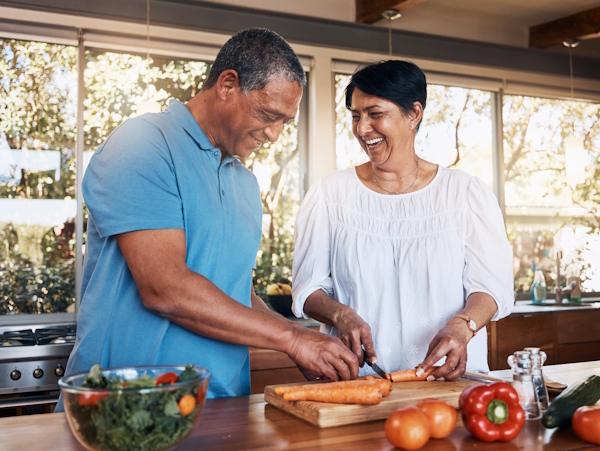
Optimizing Lifestyles through Increased Vegetable-Rich Eating (OLIVE)
Interested in improving your diet and reducing your risk of developing type 2 diabetes…all while eating great?! Then the OLIVE study led by the BRIE Lab at the University of South Carolina (USC) may be for you.
We’re looking for adults between the ages of 18 and 65 who live in the southern US who can participate in a 1-month, exciting healthy eating and lifestyle study that will conclude with assessments of your diet, weight, and health behaviors.
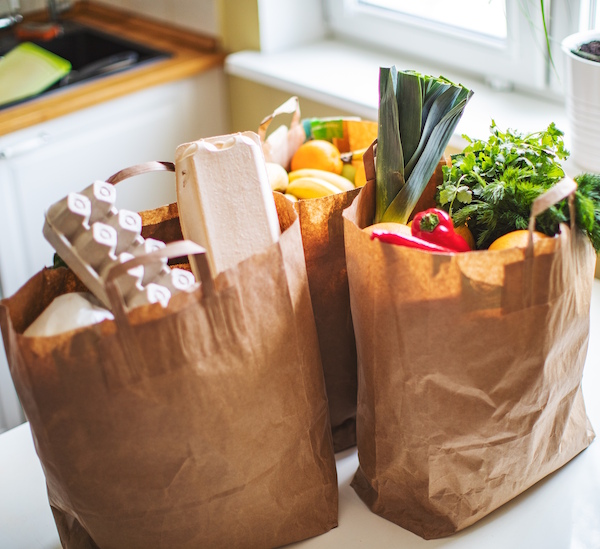
As part of this study, you will be randomized into one of two groups: (1) receive weekly grocery deliveries and recipes for a Mediterranean diet for 4 weeks or (2) receive weekly grocery deliveries AND virtually attend nutrition and cooking classes on a Mediterranean diet via Zoom for 4 weeks. All participants will receive weekly Instacart grocery deliveries containing ingredients to help you follow a Mediterranean diet.
Participate
Enrollment is currently OPEN for our OLIVE Study! If you would like to participate, please review the eligibility criteria below to ensure that you’re able to participate and then complete the online interest form.
Eligibility
Participants must meet the following criteria in order to participate:
- Be between the ages of 18-65 years
- Have a Body Mass Index between 25- 49.9 kg/m2
- Live in a southern state (as classified by the US Census):
- Alabama, Arkansas, Delaware, District of Columbia, Florida, Georgia, Kentucky, Louisiana, Maryland, Mississippi, North Carolina, Oklahoma, South Carolina, Tennessee, Texas, Viginia, & West Virginia
- Be able to complete all survey assessments via computer or phone
- Have a wi-fi connection at home or other site to access Zoom-delivered interventions
- Own a digital body weight scale, have regular access, or be willing to purchase one
- Not currently pregnant
- Be free of type 2 diabetes and/or not currently taking prescription medication to control type 2 diabetes
- Be willing to be randomized to either of the study groups
- Not currently following a vegan, vegetarian, or Mediterranean diet
Why should you participate?
Improving your diet can have a significant impact on your physical and mental health.
This study is a 1-month intervention examining how grocery provision may help improve chronic disease risk factors and nutrition, as well as help with weight loss. The study includes:
- Instacart grocery delivery (up to $25/week for foods that support the provided Mediterranean recipes)
- Nutrition and cooking classes
- Group support
- Up to $10 in financial compensation for completing the post-study survey and focus group
- Recipes
You will be randomly assigned to participate in either the grocery delivery with weekly classes group or the grocery delivery only group. This means you won’t have a choice of which group you are in.
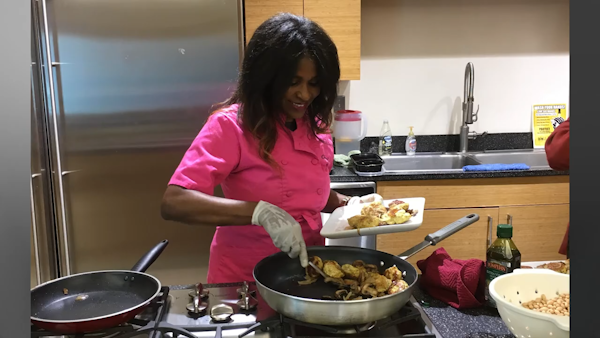
Study Benefits
See what other participants have said about participating in our nutrition studies!
Participating in our studies is fun and can be life changing for your health. See what our former participants have said about our studies and working with Dr. Brie and her team.
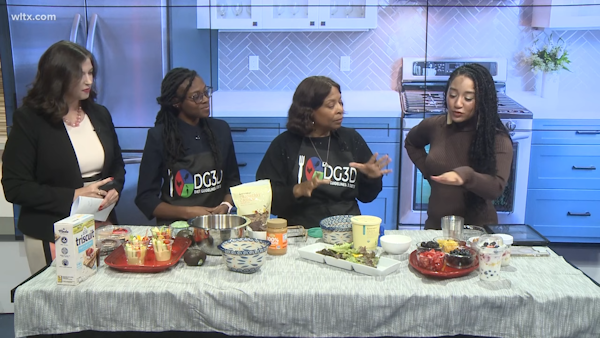
Meet our nutrition staff and learn more about healthy eating in this segment from News 19 WLTX.
Frequently Asked Questions (FAQ)
What is the purpose of this study?
Our most recent yearlong study evaluating the effect of 3 dietary patterns on type 2 diabetes risk factors (learn more at DG3D.org) found that participants following the Healthy Mediterranean-Style Eating Pattern had the greatest reduction in HbA1c and the greatest satisfaction with their dietary pattern. This study also found that participants preferred shorter interventions that addressed the issue of high food costs while following healthy dietary patterns.
With the OLIVE study, we hope to build upon our previous findings by testing the effectiveness of a short-term Mediterranean-focused intervention with grocery provision on improving risk factors of type 2 diabetes.
What’s the study about?
The Optimizing Lifestyles through Increased Vegetable-Rich Eating (OLIVE) study is examining the effectiveness of a 4-week virtual program using grocery provision on improving diet quality and reducing body weight. The intervention will last for 4 weeks and participants will be randomly assigned to one of 2 groups: (1) receive weekly grocery delivery only or (2) receive weekly grocery delivery and attend weekly nutrition and cooking classes. Participants will receive recipes, group support, and guidance for following their assigned diet based on culturally tailored curriculum for individuals living in the southern United States.
What will I get by participating?
Free Instacart grocery delivery, nutrition and cooking classes, recipes, a support system, and diet quality survey results at the end of the study. If you complete the post-study survey and participate in a focus group, you’ll receive an electronic $10.00 gift card.
How could participating help me?
You may lose weight and reduce your risk of developing type 2 diabetes by being a part of this study. You will receive cooking classes and learn how to prepare healthy meals.
Who can participate in this program?
You must:
- Be between the ages of 18 – 65 years
- Have a body mass index (BMI) between 25–49.9 kg/m2 (have overweight or obesity)
- Live in a southern state (as classified by the US Census):
- Alabama, Arkansas, Delaware, District of Columbia, Florida, Georgia, Kentucky, Louisiana, Maryland, Mississippi, North Carolina, Oklahoma, South Carolina, Tennessee, Texas, Viginia, & West Virginia
- Be available to attend all study meetings over a 4-week period via computer or phone
- Have a wi-fi connection at home or other site to access Zoom-delivered interventions
- Own a digital body weight scale, have regular access, or be willing to purchase one
- Not be pregnant or planning to become pregnant over the course of the study
- Be free of type 2 diabetes and/or not currently taking prescription medication to control type 2 diabetes
- Be willing to be randomized to either of the 2 study groups (this means you won’t have a choice in which group you are assigned to)
- Not currently following a vegan, vegetarian, or Mediterranean diet
How can I calculate my BMI to know if I qualify for the study?
You can calculate your BMI online with this online calculator: https://www.nhlbi.nih.gov/health/educational/lose_wt/BMI/bmicalc.htm
Can my spouse participate as well?
Only one person per household can participate in the study as a research participant, but you are free to share all your class materials with friends and family.
What commitment is required of me?
This study will last for a total of 6 weeks (orientation and baseline assessment measures will be taken in week 1, followed by 4 weeks of the intervention, and ending in a focus group during week 6) and will therefore require a short-term commitment. Participants randomized to the grocery delivery and classes group will be required to regularly attend evening Zoom classes (one 75-minute class a week for 4 weeks), and participants in both groups will be required to complete a variety of surveys.
What will I have to do in the program?
You will receive an Instacart grocery delivery and a selection of Mediterranean recipes once a week for 4 weeks. Each grocery delivery will contain up to $25 worth of food items that correspond with the provided Mediterranean recipes. You will also be asked to complete a weekly survey on food quality.
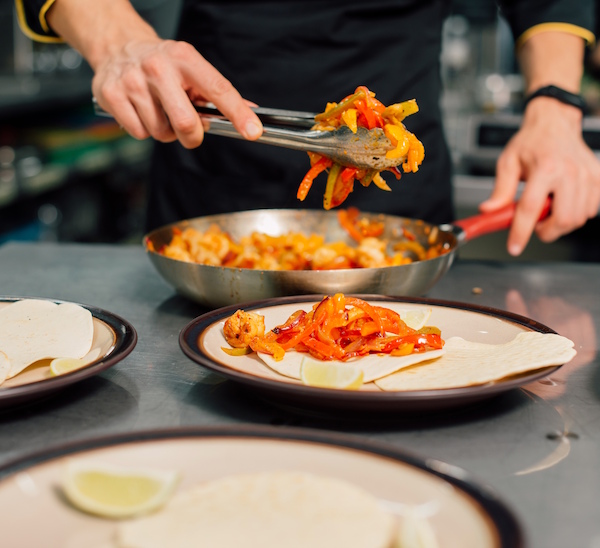
Participants randomly assigned to the grocery delivery and classes group will attend virtual Zoom classes to learn more about the Mediterranean diet and receive the support you need to adopt healthier eating habits. The classes will include cooking skills, recipe ideas, and guidance for following the Mediterranean diet.
You will submit self-reported weight measurements using a personal body weight scale. These self-reported weigh ins will be at the following time points: baseline and 4 weeks.
You will also be completing several questionnaires at each time point: baseline and 4 weeks. You will complete the online questionnaires and online dietary recalls at home. The questionnaires will assess demographic information, socioeconomic status variables (such as food security status), and dietary acceptance. The dietary recalls are online surveys that ask you to select photographs of food and beverage items that best align with your personal eating behaviors. You will be directed to an online database that allows you to report your selections.
Can I pick what diet group I belong in or what diet I get to eat?
No. Because this study is using random assignment, participants will be randomly assigned to each study group. You must be willing to be assigned to either of the 2 study groups.
Where are the study meetings located?
All study meetings will occur virtually via Zoom-delivered video calls.
What happens if I can’t attend a class?
Due to the abbreviated length of this study intervention, the team is unable to provide make up sessions if you are unable to attend a class. We ask that you plan to attend all 4 of the weekly classes.
What do I do during the self-reported weight assessments?
You will be required to have your own digital body weight scale or regular access to one. During the baseline and 4-week timepoints, participants will be asked to objectively measure their body weight using a digital scale.
To ensure the accuracy of the data, specific instructions will be provided: ensure the scale is on a flat, hard surface; refrain from moving the scale or storing it on its side; weigh first thing in the morning, wearing light clothes, before eating/drinking and after voiding your bladder/bowels. We will ask you to take a photo of the weight and upload it to a survey.
You also will complete some surveys and dietary recalls.
What if I am interested in participating in the study?
If you are interested in enrolling in this study, we will ask you to fill out an online screening questionnaire to determine if you qualify for the study.
Add screening link from REDCap once finalized.